Heat Exchanger From ABE & HEX

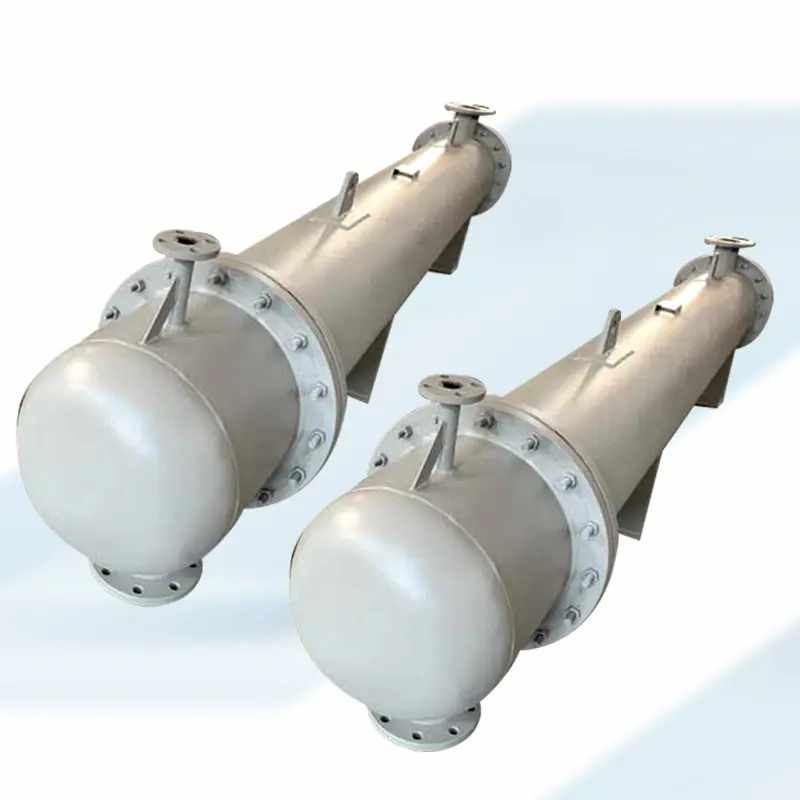
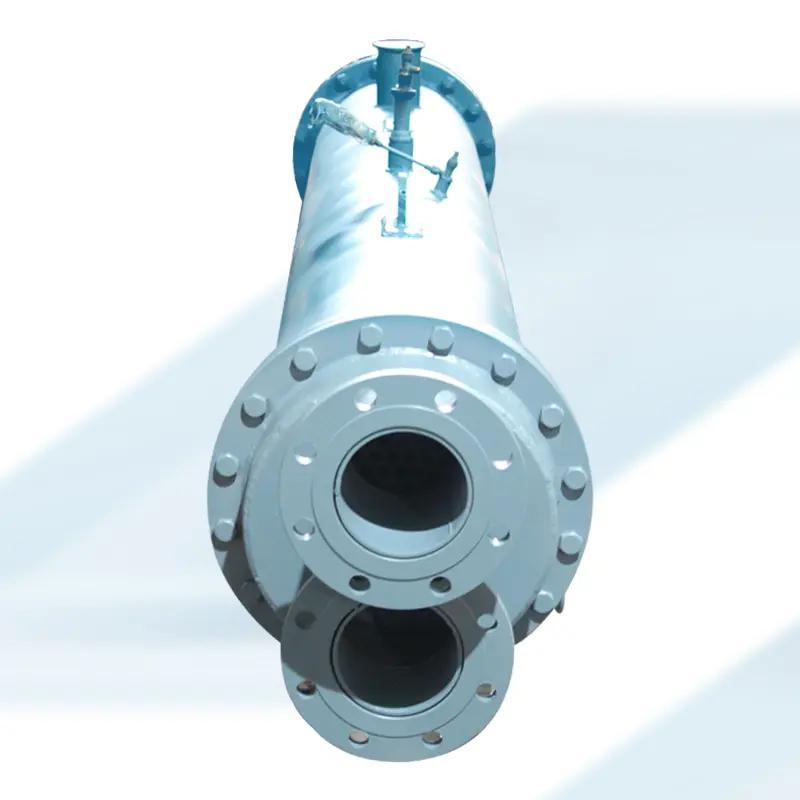
A shell and tube condenser is designed to convert vapor into liquid by removing heat efficiently. Commonly used in power plants, refrigeration systems, and process industries, these condensers offer strong construction and consistent performance even under high pressure and temperature conditions.
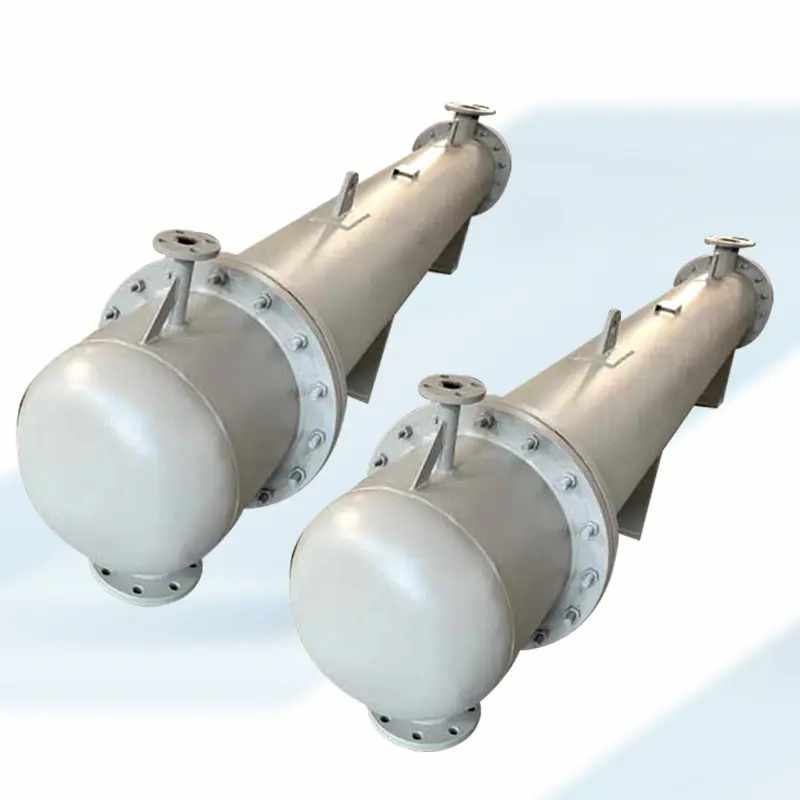
A heat exchanger is an industrial device used to transfer heat between two fluids without mixing them. It plays a key role in heating, cooling, and energy recovery across industries such as power, oil & gas, chemicals, HVAC, and process plants. By using durable materials and efficient designs, heat exchangers help improve system performance and reduce energy consumption.
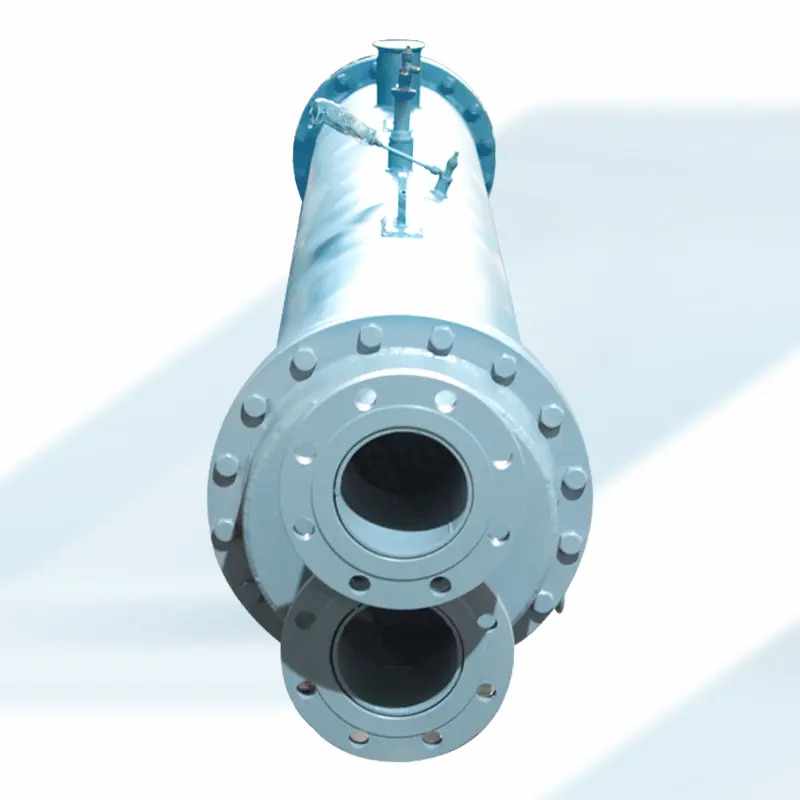
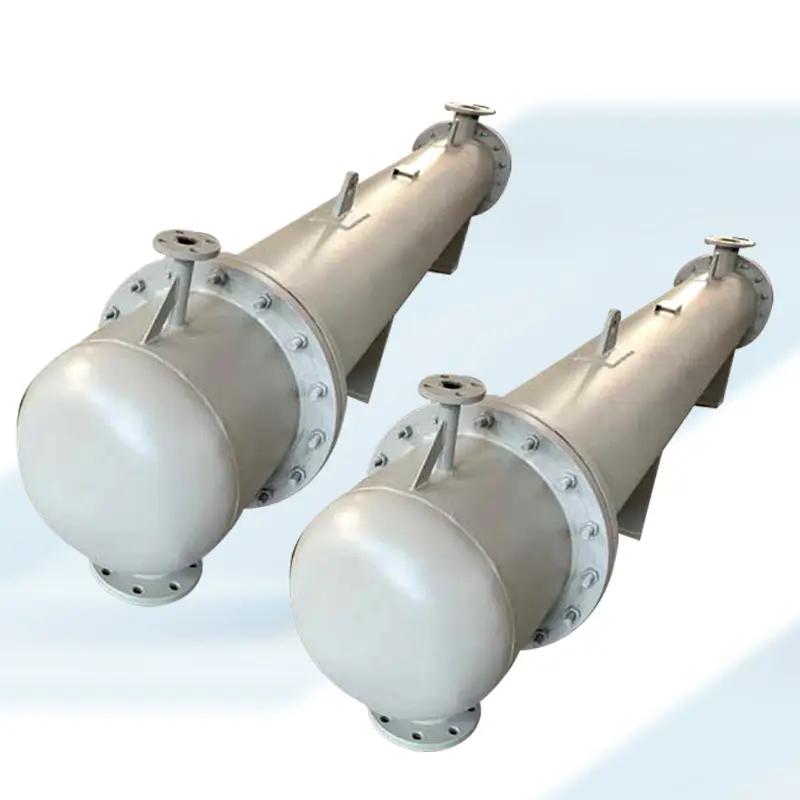
A heat exchanger is a device that transfers heat between two or more fluids—liquids or gases—without mixing them. It works on the principles of conduction and convection to efficiently move heat from the hotter fluid to the cooler one. Designed for a variety of industrial applications, Abe & Hex heat exchangers help optimize heating and cooling processes while improving energy efficiency and system reliability.
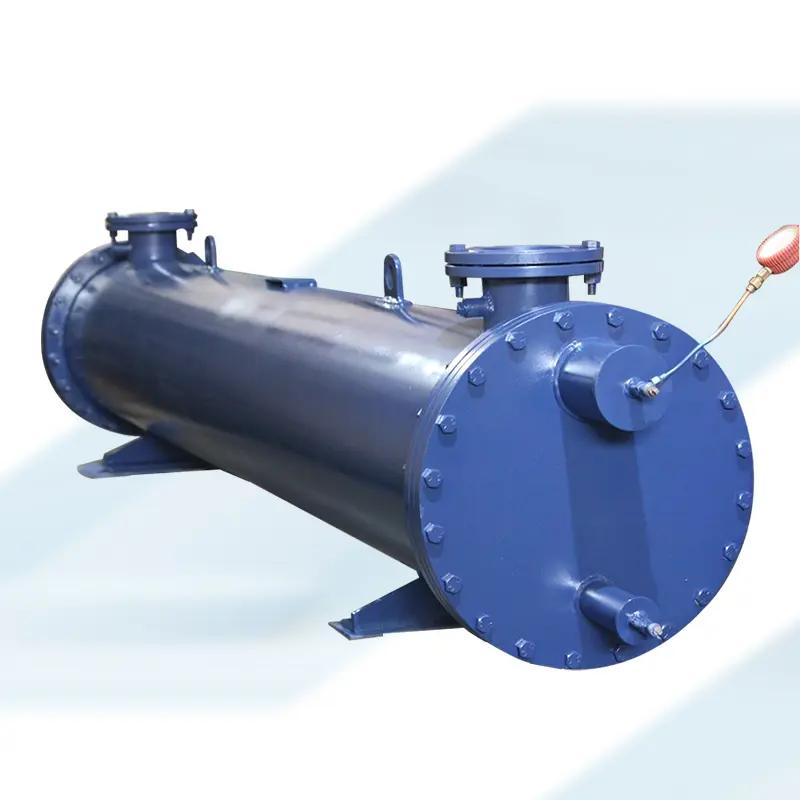
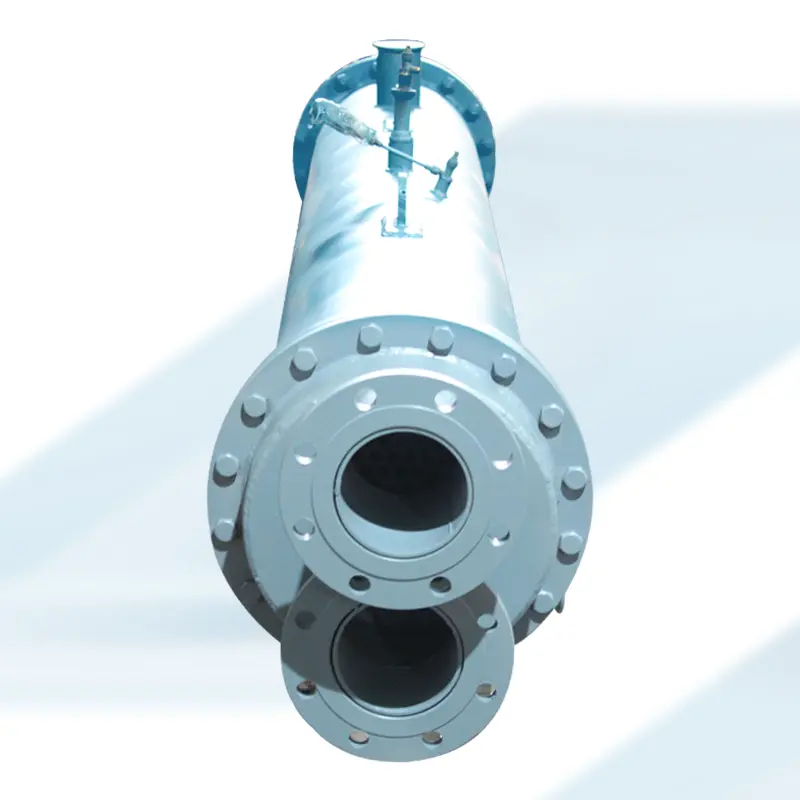
A shell and tube condenser is a heat exchanger where hot fluid flows through tubes, and cooler fluid surrounds them in a shell. It's widely used in power plants, refrigeration, and chemical industries for efficient cooling.
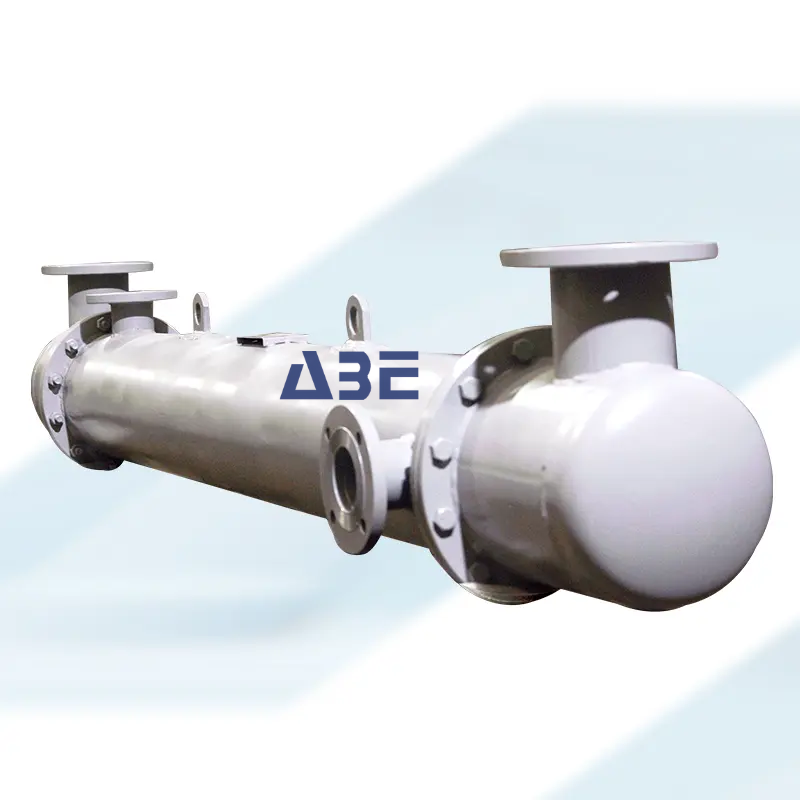
Maximize heat exchange efficiency with Shell and Tube Heat Exchangers. These devices are built to handle high-pressure and high-temperature fluids. They are ideal for a wide range of industrial processes, offering excellent durability and energy-saving benefits.
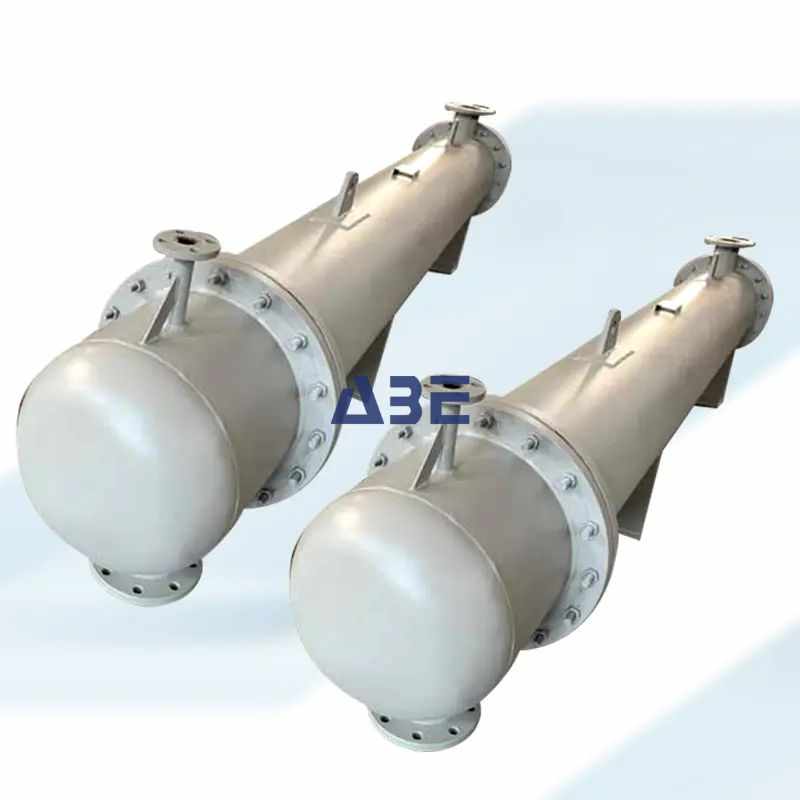
A heat exchanger transfers heat between two fluids without mixing them. It uses surfaces like tubes or plates to allow heat flow. It is effectively used in HVAC systems, power plants, and refrigeration, and helps save energy by efficiently transferring heat in processes like cooling, heating, and heat recovery.
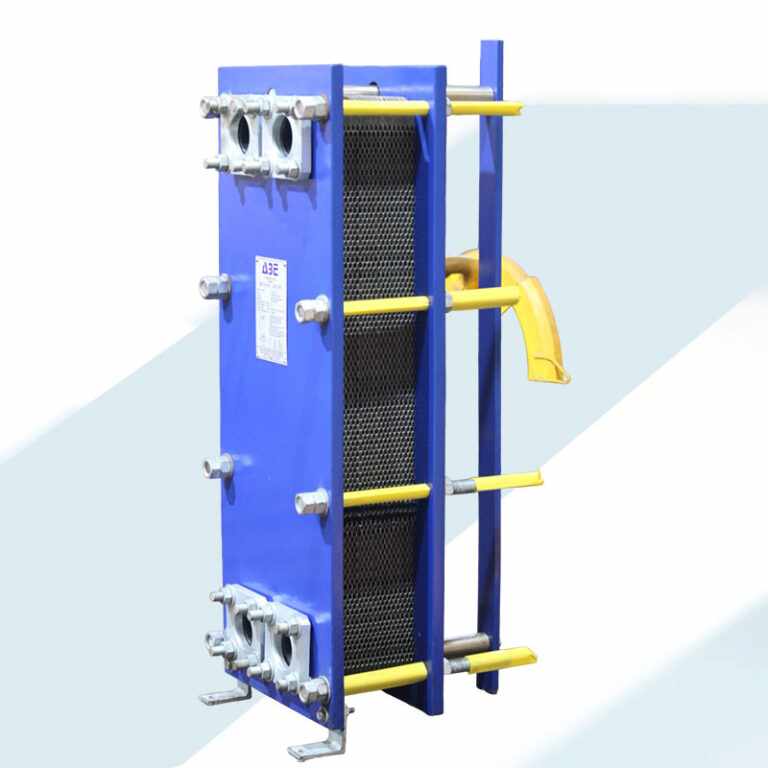
A plate heat exchanger is an efficient device used for heat transfer between two fluids. Its structure consists of numerous thin plates stacked together, which maximizes surface area for enhanced thermal exchange while minimizing space. For more updates about plate heat exchangers visit our website.